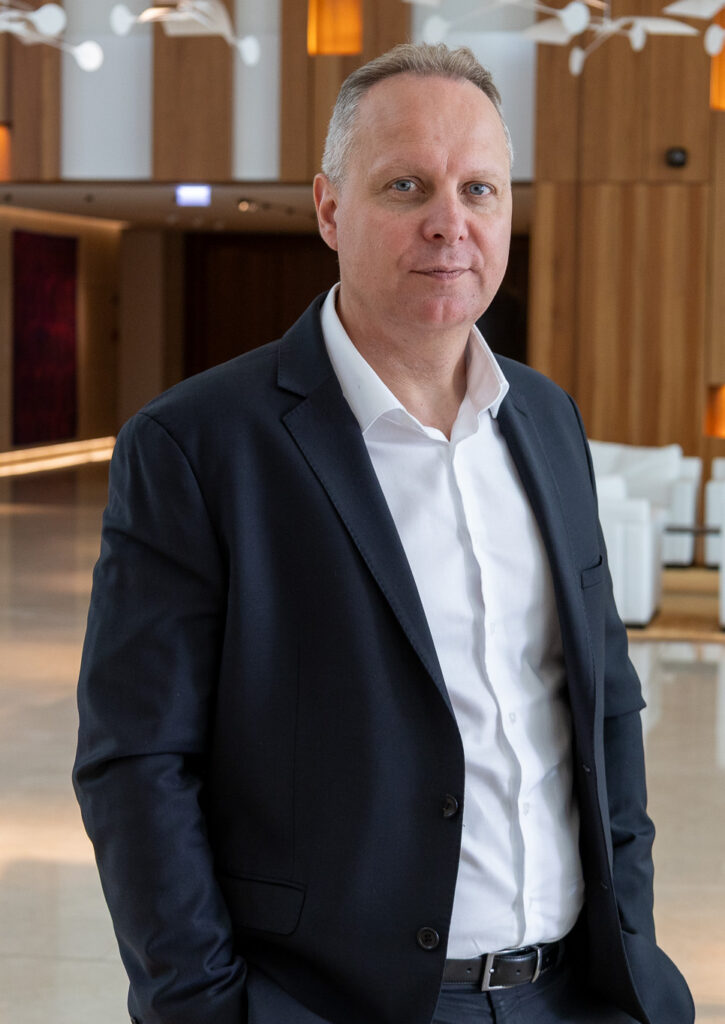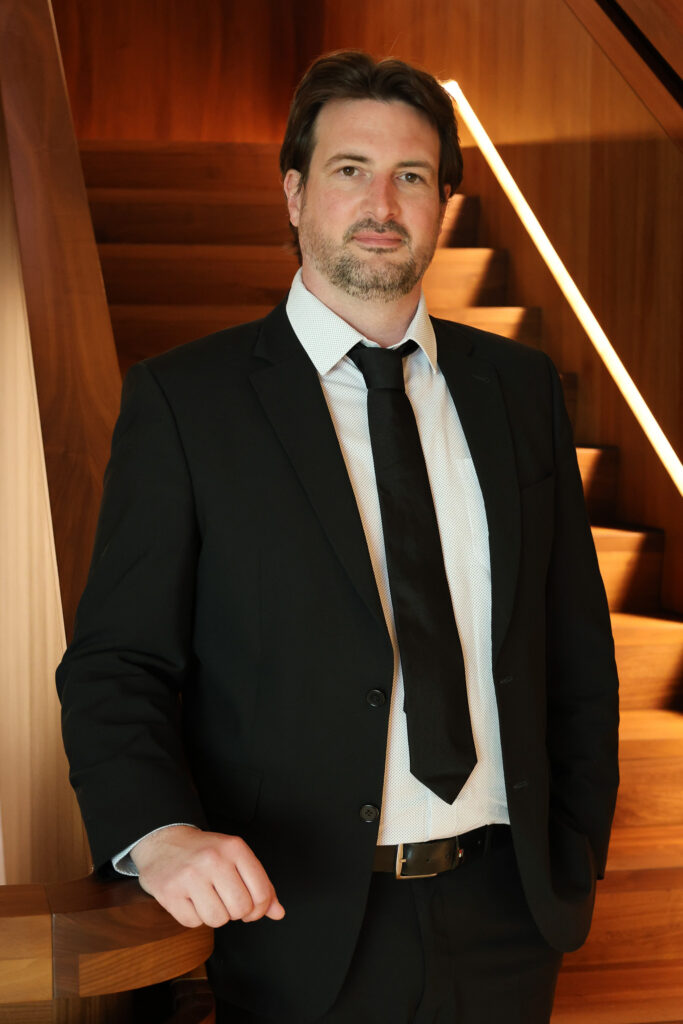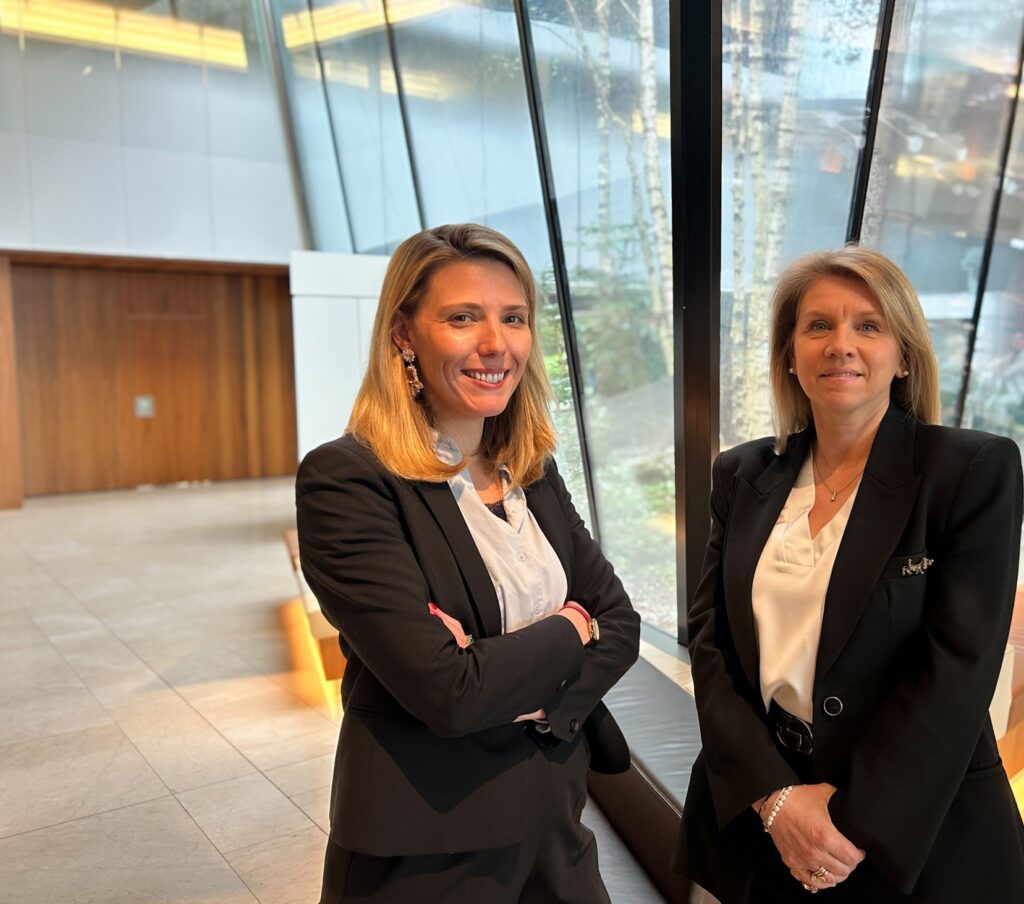
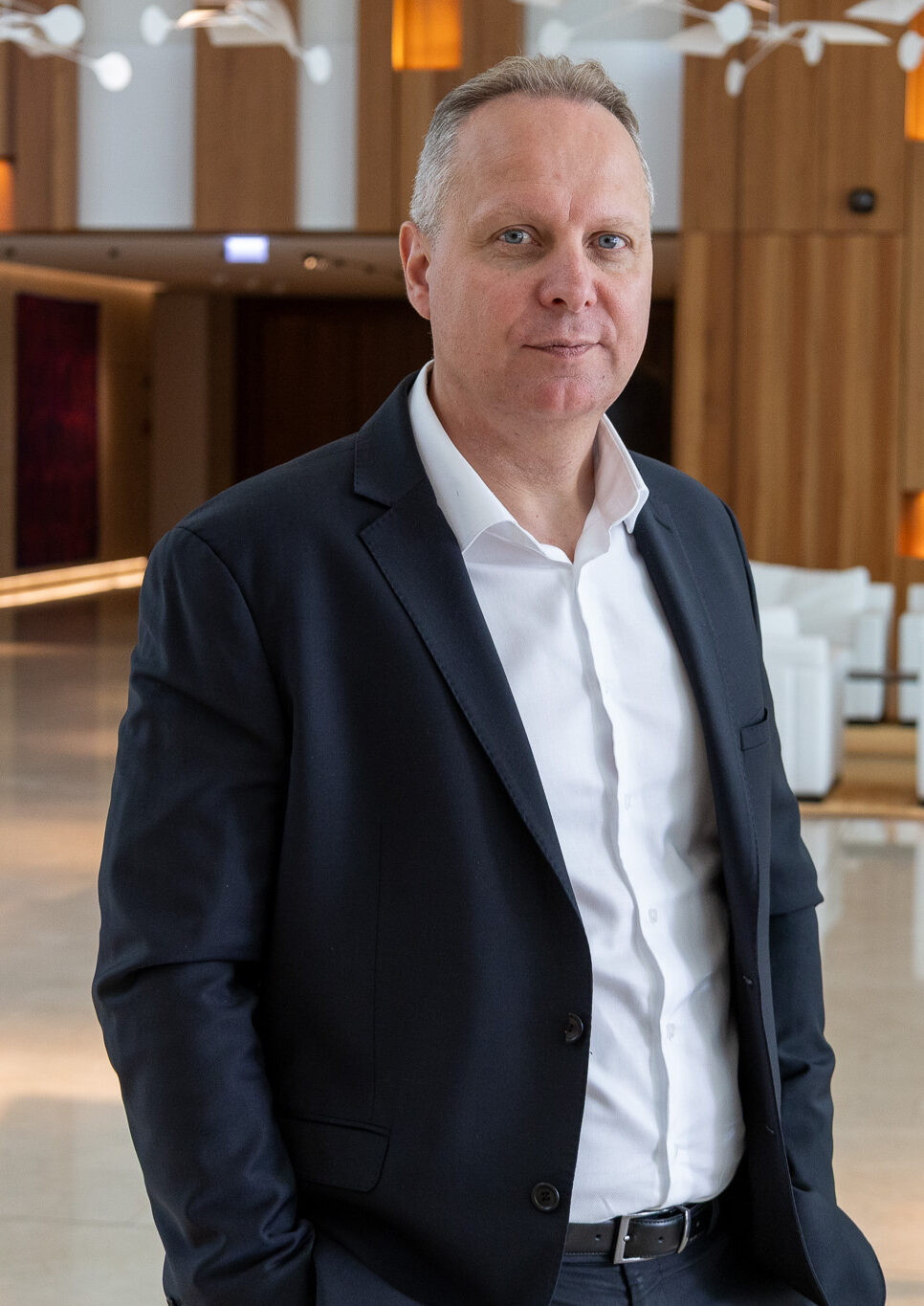
What are the role and mission of your department at WEALINS?
The role of the Compliance department is to ensure, as with any compliance function, that the company complies with all Luxembourg and European regulations, particularly in relation to anti-money laundering and countering the financing of terrorism.
However, this mission is not limited to AML/CFT. In Luxembourg, particularly in the life insurance sector, the Compliance function is often restricted to this scope, which is essential but far from exhaustive. Our role also covers other key areas such as client protection and compliance with reporting obligations, notably CRS and FATCA.
Why is the Compliance function now strategic for a Luxembourg life insurance company such as WEALINS? And how does compliance contribute to WEALINS’ solidity and reputation among its partners and clients?
The Compliance function is strategic because it ensures compliance with the Luxembourg and European regulatory framework. In collaboration with the other key functions, it helps anticipate and manage legal, financial and reputational risks, particularly in a cross-border business environment.
By ensuring compliance with governance, anti-money laundering and client protection rules, Compliance strengthens the company’s operational solidity and helps build a lasting relationship of trust with supervisory authorities, partners and clients.
How do you ensure that regulatory requirements are systematically embedded in WEALINS’ operational and commercial processes?
We start by identifying regulatory developments, which have been particularly numerous in recent years, in order to incorporate them into internal processes, notably through policies, procedures and operating instructions.
We get involved as early as possible in cases presenting significant risks in order to support operational teams effectively. In addition, we organise regular training sessions and carry out periodic controls to ensure that regulatory requirements are properly applied.
Could you explain how the monitoring plan and controls contribute to preventing non-compliance situations?
Early detection of anomalies through controls makes it possible to address non-compliance situations quickly and limit their impact. These controls also have a strong educational dimension.
Although they are often perceived as constraints, their primary purpose is to identify any potential deviations in order to prevent recurrence and sustainably secure practices, in the interests of the company, its partners and its clients.
In addition, they contribute to strengthening the compliance culture by making teams accountable and clarifying expectations. The monitoring framework is therefore part of a continuous improvement approach, turning findings into concrete and structuring corrective measures.
How does a compliance culture, through AML training, newsletters and other initiatives, help strengthen individual and collective responsibility within WEALINS? How do you raise teams’ awareness of regulatory issues without making their day-to-day work more complex?
The Compliance function can sometimes be perceived as a barrier to business development. Our ambition is precisely to change this perception by positioning ourselves as a true business partner, while remaining the guardian of regulatory compliance.
On a daily basis, we support operational teams, particularly on complex cases, and provide regular training to secure operations while facilitating their implementation.
Convinced that proximity is a key success factor, we want to strengthen our presence on the ground, particularly with middle- and back-office teams, in order to make exchanges smoother, improve mutual understanding and foster ever more effective collaboration.
What are the main compliance risks currently faced by a life insurance company? How does WEALINS identify, assess and anticipate these risks in a constantly evolving regulatory environment, in order to continue supporting its partners and their clients reliably and sustainably?
The main challenge lies in the constant increase in regulatory requirements, which affects the entire Luxembourg life insurance sector. For example, the new European AML package will have a significant impact on processes and IT tools.
To address this, WEALINS has invested heavily in recent years in the development of its tools, particularly to manage increasing reporting requirements towards the authorities.
Beyond AML, we are also continuing to strengthen our due diligence on other regulatory topics. The Compliance team has grown, and several initiatives have been implemented to consolidate the overall management of compliance risks.
What key message would you like to share with our partners regarding WEALINS’ commitment to compliance?
We are fully aware of our partners’ expectations, particularly regarding client onboarding. We are currently working to simplify and streamline certain processes, both internally and externally.
This evolution is nevertheless part of a risk-based approach: even if processes are optimised, cases presenting high levels of risk will continue to be documented accordingly, in line with our current requirements.
To learn more about how regulatory requirements are managed at WEALINS and how we support our partners within a constantly evolving framework, Connect with our Experts.